
One of the easiest ways to make a modernization program look healthy is to keep it moving.
There are roadmap updates, migration trackers, dependency upgrades, platform workstreams, architecture diagrams, steering meetings, and a visible backlog of technical change. From a distance, all of it looks like progress.
But movement is not the same thing as risk reduction.
This is where many modernization efforts drift off course. Teams become so focused on visible motion that they stop asking the harder question: is the system becoming safer, clearer, and easier to change with confidence?
That is the question that matters.
Activity is easy to measure. Risk is harder.
Organizations naturally gravitate toward what they can count.
How many services were rewritten? How many endpoints were migrated? How many jobs moved to the new platform? How many old libraries were removed? How many deployment steps were automated?
Those numbers are not useless. But they can create false confidence if they are treated as proof of modernization.
A platform can show a great deal of visible activity while still carrying the same operational risk underneath it. The interfaces may still be confusing. The rollback path may still be fragile. The support burden may still be concentrated in a few people. The hardest workflows may still be difficult to test safely. The data dependencies may still be poorly understood.
If those conditions remain, the system may be newer, but it is not necessarily safer.
Real modernization reduces uncertainty
The best modernization work reduces uncertainty in the places that matter most.
It makes failures easier to diagnose.
It makes releases easier to trust.
It makes dependencies easier to understand.
It makes operational behavior easier to predict.
It reduces the number of places where teams are relying on memory, improvisation, or historical luck.
That is what risk reduction looks like in practice.
Sometimes that work is highly visible. Often it is not. In many cases, the most important modernization gains are structural rather than dramatic. Better boundaries. Simpler deployment paths. Clearer ownership. Safer migrations. Better observability. Fewer silent assumptions.
These improvements rarely create the same excitement as a rewrite plan, but they do much more to make a system durable.
Motion can hide unresolved complexity
This is another common pattern: a team changes many parts of the platform without actually reducing the complexity that made the old system hard to operate.
The stack changes. The infrastructure changes. The service layout changes. But the hidden operational confusion remains.
The same awkward workflows still exist. The same cross-team dependencies still slow release decisions. The same data ambiguity still complicates reporting and reconciliation. The same support burdens still sit in the same places.
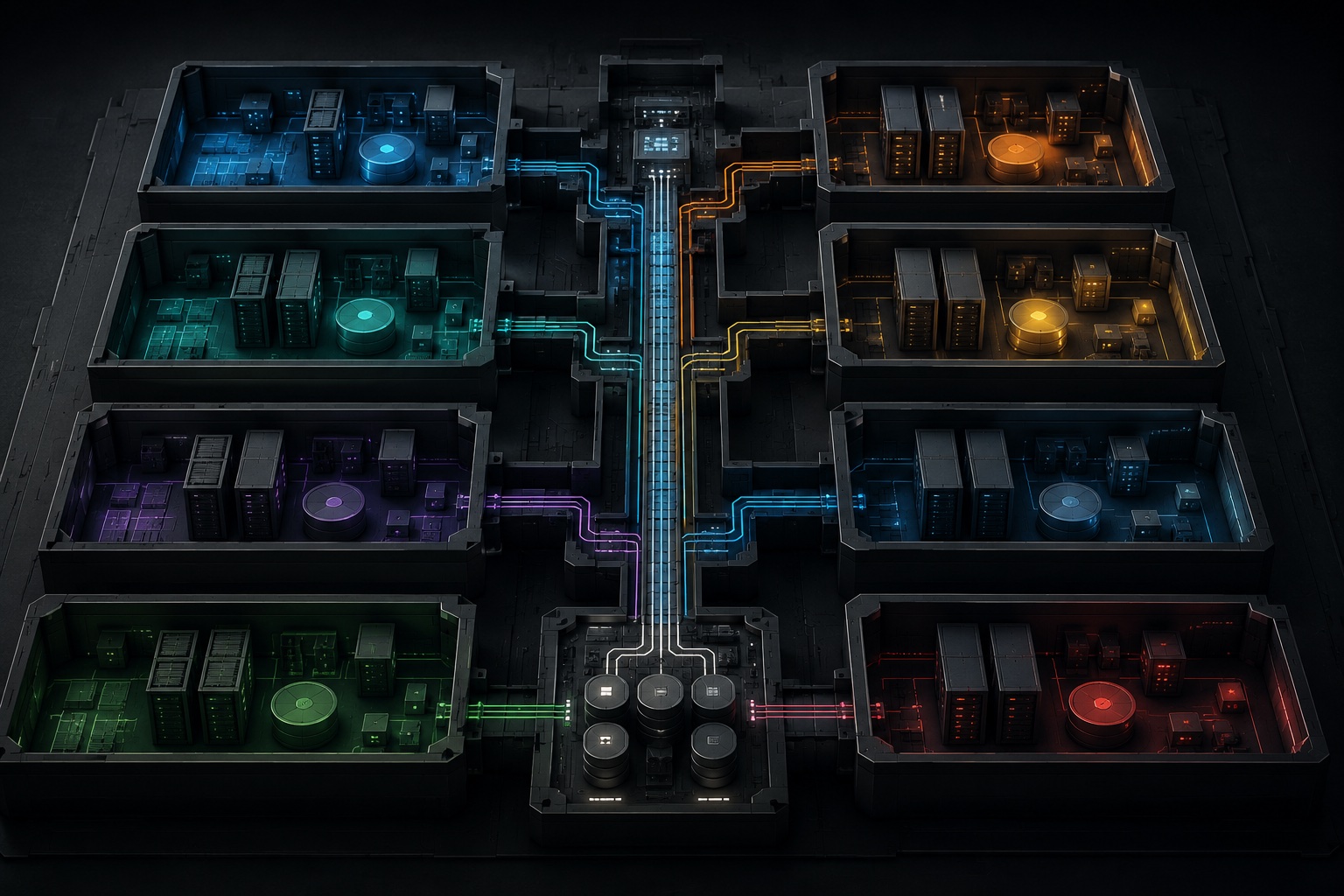
When that happens, modernization becomes a relocation of complexity rather than a reduction of it.
That is why motion is such a dangerous proxy. It can make a program look transformative while leaving the organization exposed to many of the same failure modes.
Better questions produce better modernization
If a team wants to know whether modernization is actually working, the most useful questions are operational.
- Is the blast radius of failure smaller than it was six months ago?
- Can the team explain and recover from incidents faster?
- Is production change becoming safer rather than merely faster?
- Are fewer workflows dependent on tribal knowledge?
- Are critical data paths clearer and easier to validate?
- Is the platform becoming easier to reason about under pressure?
Those are not glamorous questions. But they are serious ones.
They force a team to measure modernization by trust, not by theater.
Good programs distinguish visible work from meaningful work
This is where judgment matters.
Some modernization activity is necessary simply because old systems do need replacement, migration, cleanup, and structural change. The problem is not motion itself. The problem is mistaking motion for success.
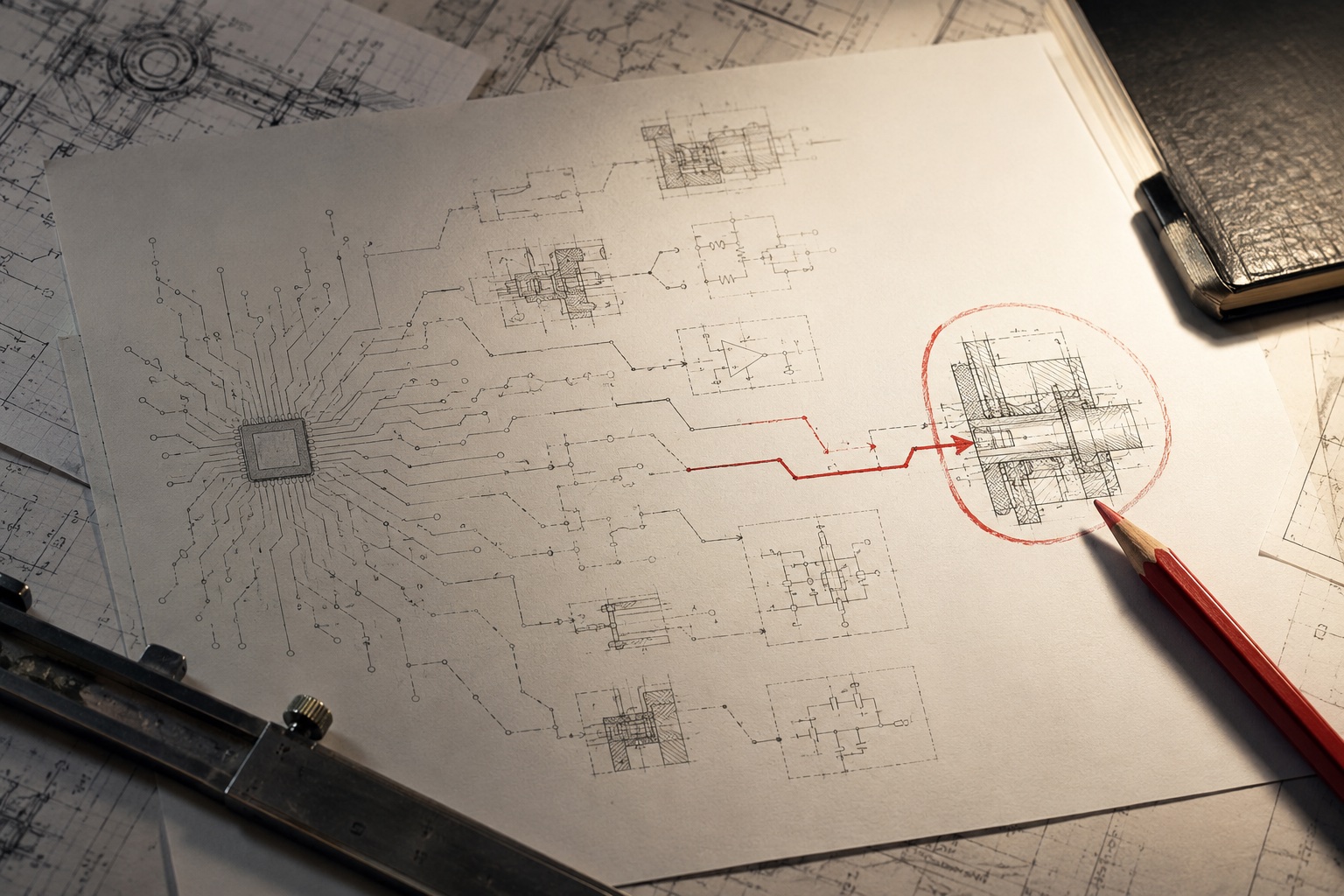
Mature teams know the difference between visible work and meaningful work. They know that removing one fragile dependency may matter more than rewriting a larger but less critical subsystem. They know that a safer release path may be more valuable than a more fashionable platform shape. They know that a clearer recovery model may matter more than a faster delivery metric.
In other words, they understand that modernization earns its value when it reduces operational risk.
Everything else is just activity around that goal.
That is the standard that matters.

No comments yet